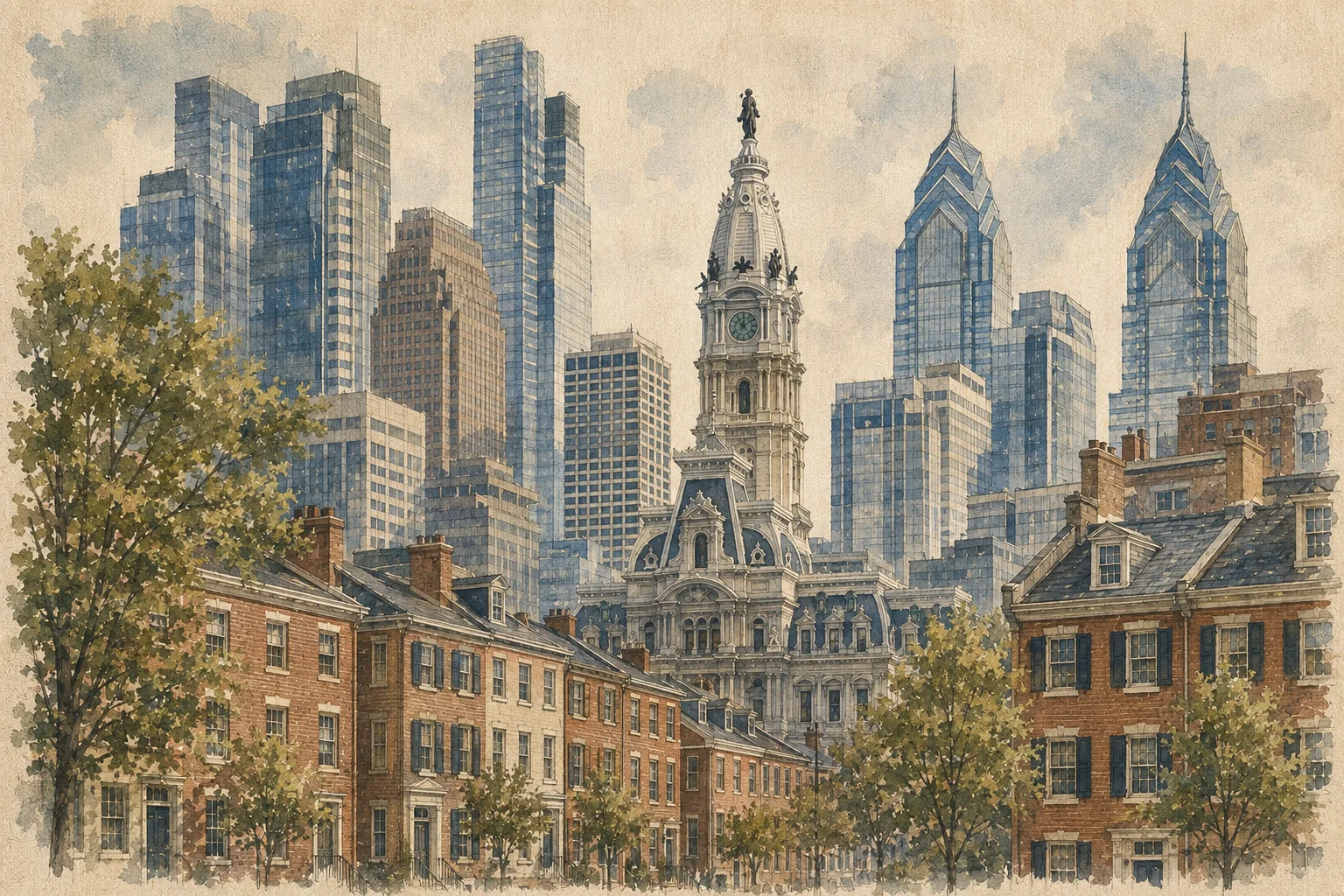
A little orientation
Compare Philadelphia neighborhoods using the same three tests
Compare like with like
Use the same destinations and travel times for every candidate address.
Keep boundaries flexible
A neighborhood label is orientation; an address is the useful unit for property and service lookups.
Leave rankings out
Record what works for your household instead of inventing a single score for safety, schools, or value.
A closer look
Build your neighborhood comparison
Choose the test that will help narrow a shortlist of real addresses.
Hold the destination steady
Choose one address in each Philadelphia neighborhood on your shortlist and enter the same destination and departure time in SEPTA's planner. Record walking sections, transfers, and the trip home, then compare what each journey would ask of you repeatedly.
A useful questionWhich address makes my repeated journey easiest to manage?
Source & next step ↗Compare the questions each home raises
Open the City's property tools for each shortlisted address and review the available zoning and permit information. Bring a specific question to each viewing, then compare the answers and observed conditions rather than converting a neighborhood reputation into a judgment about the building.
A useful questionWhich home leaves the most important practical question unanswered?
Source & next step ↗Look for something you would use
Pick one recreation activity that matters to your household and use the City's facility listings to identify relevant destinations. Check the program and access directly, then compare the approach from each shortlisted address without assuming a nearby facility guarantees the same experience.
A useful questionWhich address puts this activity within a routine I would keep?
Source & next step ↗If you’ve ever heard that Philadelphia is a “city of neighborhoods,” it’s not just a slogan. It’s a warning and a love letter in the same breath. The borders between communities here aren’t just drawn on planning maps; they’re felt in the corner stores, in which block you can still find parking after 6 p.m., and in which side of the avenue the café crowd sits on. You can drive for five minutes or walk six blocks and suddenly feel like you’ve crossed into another version of the city entirely.
This guide exists to help you actually see those invisible lines. It’s a living, map-based breakdown of how the city fits together in 2025, where the streets are tree-lined and quiet, where the bars keep the sidewalks glowing until 2 a.m., and where your dollar stretches further without forcing you too far from the action.
This guide divides the city into its local regions — Center City, South Philly, the River Wards, West Philly, Northwest, and the Northeast — and reads them not just by geography, but by vibe. Whether you’re trying to find the right pocket for your lifestyle or just want to understand how the city actually breathes, this is meant to be a companion you can keep returning to.
Before diving into each neighborhood, here’s what locals wish someone told them sooner.
How Philadelphians name their neighborhoods
When Philadelphians talk about “neighborhoods,” they don’t always mean the same thing the city does. The official map based on OpenDataPhilly’s neighborhood layer is tidy, logical, and bureaucratic. But if you ask five locals where “South Philly” starts, you’ll get seven answers and a small argument. The truth sits somewhere between the data and the lived experience.
This guide uses the city’s recognized boundaries, but overlays them with what residents actually refer to day-to-day: the pocket-sized “microhoods” like Passyunk Square, Olde Kensington, Newbold, and the Gayborhood. Each zone below carries a short summary of what it feels like on the ground, who lives there, how easy it is to park, what your rent buys, and what time you’ll probably hear the trash truck in the morning.
Quick groupings:
- Tree-lined, family-friendly areas (Mount Airy, Chestnut Hill)
- Artsy, evolving, “walk-to-anywhere” neighborhoods (Fishtown, Point Breeze, Newbold)
- Historic and central (Society Hill, Fitler Square, Rittenhouse)
- Nightlife and dining cores (Washington Square West, Northern Liberties, East Passyunk)
- Commuter-value zones with easy transit or highway access (Northeast, East Falls, Manayunk)
Each area below is summarized by walkability, typical rent range, nearby SEPTA lines, and “car-friendliness.” Because let’s be real: in Philly, that last one deserves its own metric.
Locals will tell you that having a car here is both a blessing and a curse. You’ll want one if you plan to shop in the suburbs or commute to the airport often, but inside city limits, it becomes a ritual of timing and patience. The rhythm is predictable once you’ve lived it. Find a spot before 4 p.m. on weekdays, before 8 p.m. on weekends, and you’re fine. Miss that window, and you’ll be circling the block, podcast on, learning patience.
Each profile you’ll read below was written with that same block-level honesty. You’ll get a feel for what it’s like to actually live there, not the brochure version, where you’ll get groceries, how the noise changes from Friday to Monday, and why some blocks still feel like secrets.
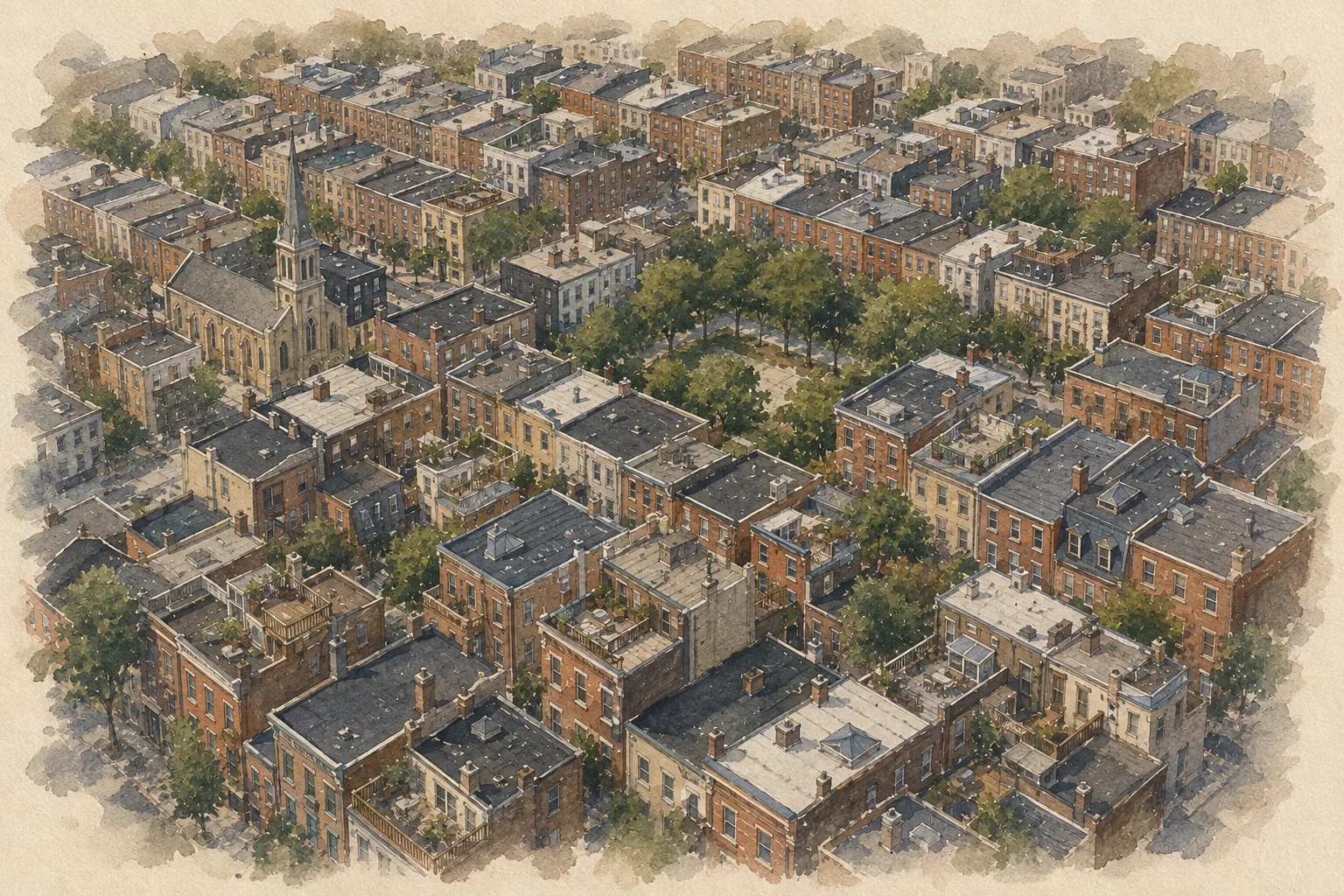
The Six Faces of Philadelphia
Philly doesn’t really have “sides.” It has personalities, six of them, each with its own tempo, architecture, and small-talk style. You can drive from one end to the other in under an hour, but every few miles feels like crossing a border where the soundtrack changes and the corner bars switch languages.
1. Center City & Surrounding Squares
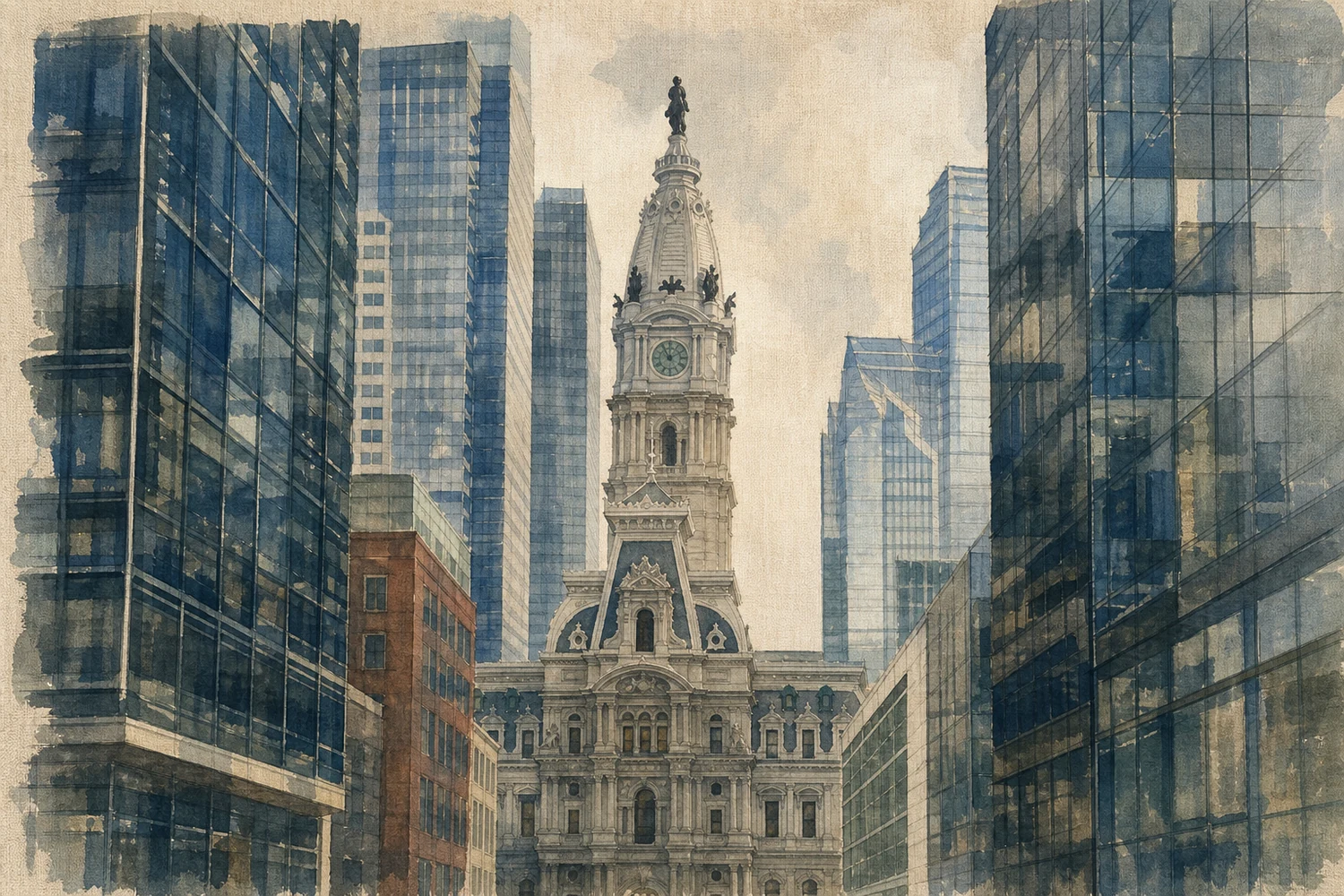
This is the heart, the square-mile pulse that keeps the rest of the city in motion. Here, skyscrapers sit beside 200-year-old rowhouses, and on any weekday morning, you’ll see suits, scrubs, and students weaving through the same streets. Rittenhouse, Fitler Square, and Washington Square West are the main chapters of this story. Elegant, historic, walkable, and full of small courtyards where you’ll find dogs playing under trees older than your lease. Nights spill out from the Gayborhood, Midtown Village, and Sansom Street restaurants, while mornings hum with joggers in the parks. It’s safe, busy, and expensive, but you’re trading square footage for walkable life.
2. South Philadelphia
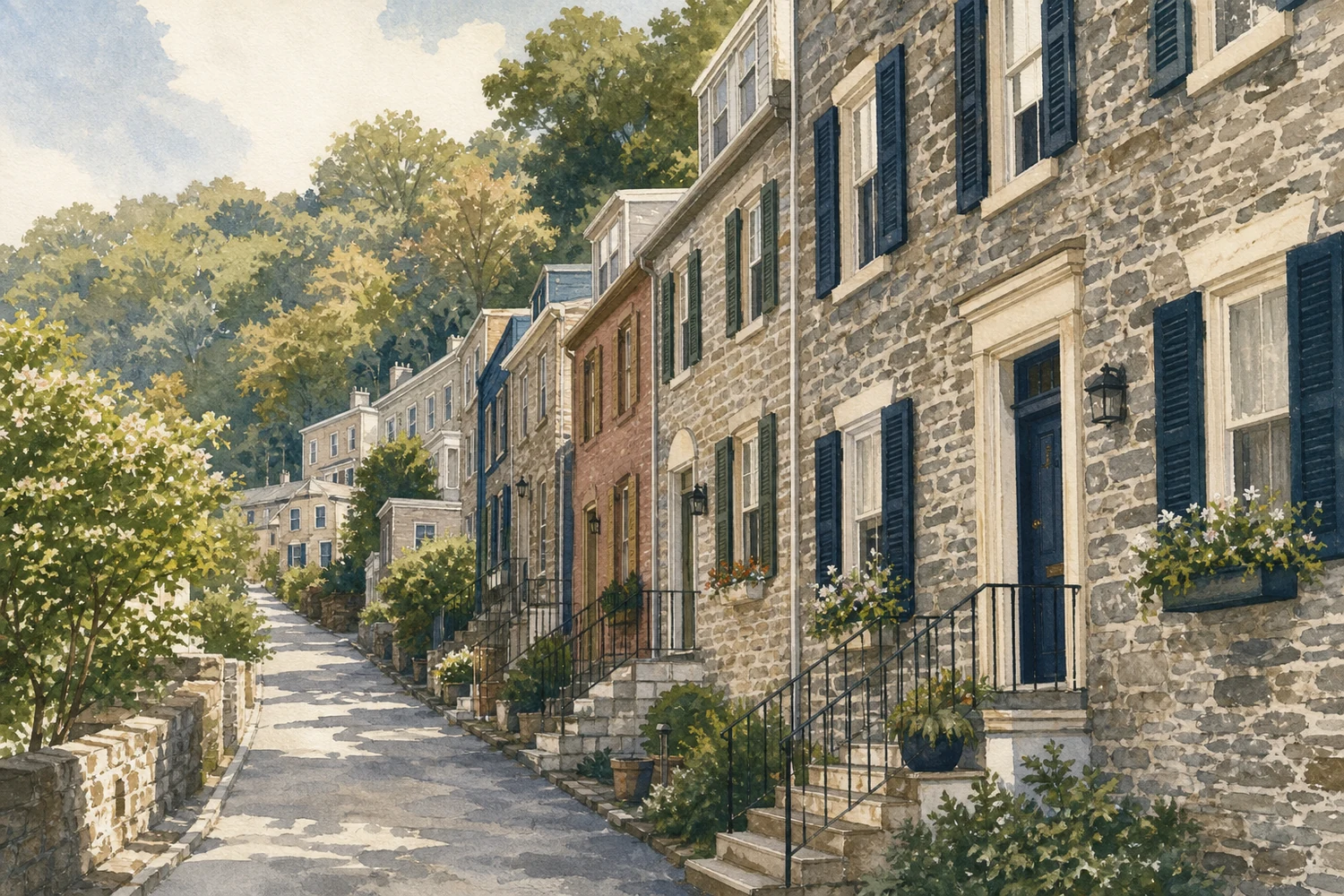
Cross South Street, and the skyline fades into stoops and murals. South Philly is the city’s kitchen. The smell of Sunday sauce, the sizzle of East Passyunk’s restaurant strip, the block parties that appear out of nowhere when the weather turns. It’s rowhome dense, neighbor-loud, and deeply local. Parking is a battle sport; friendliness is a reflex. From Newbold to Pennsport, this part of the map feels like the beating heart of “old” Philly learning how to share space with newcomers.
3. The River Wards
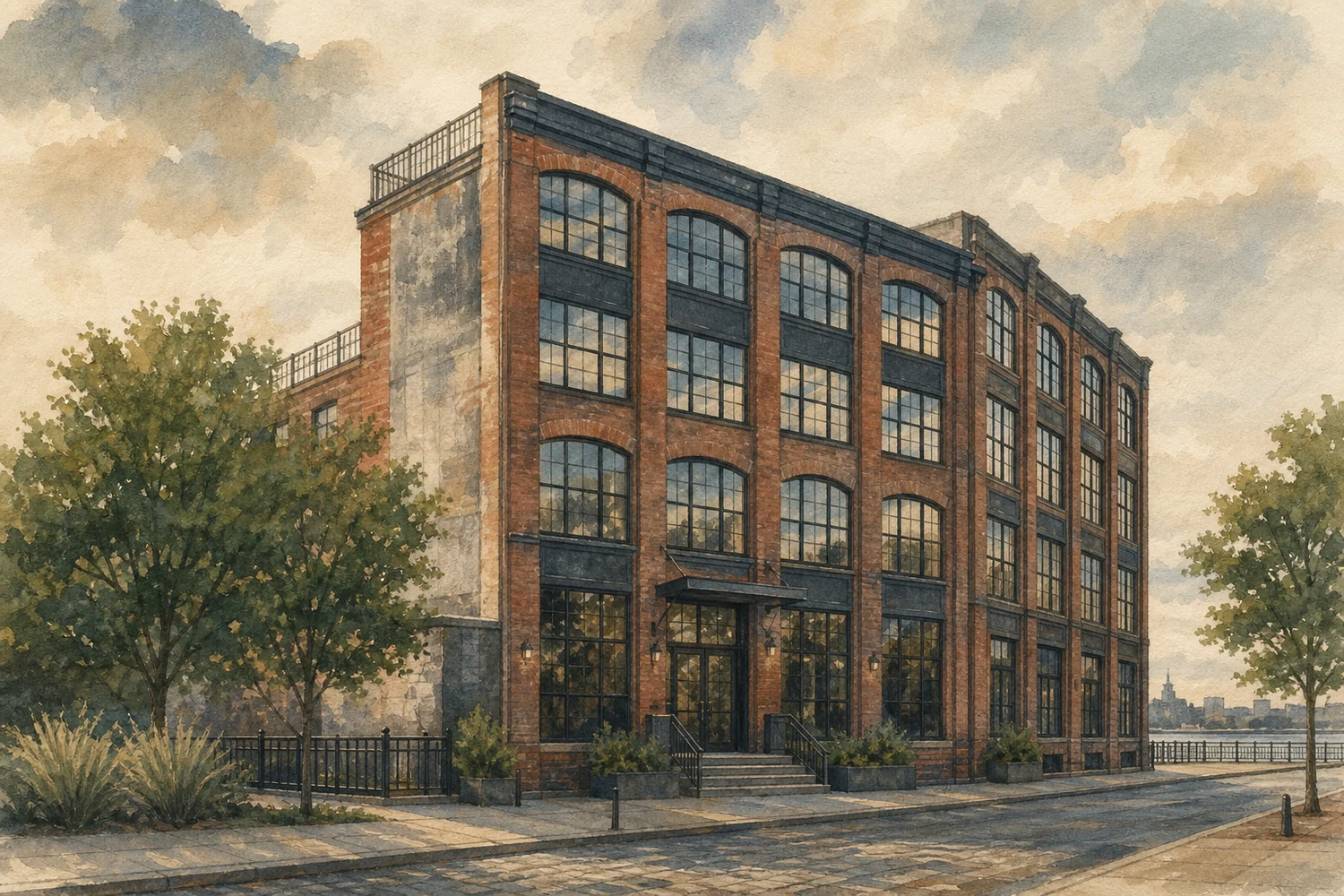
Stretching north of Center City along the Delaware, these neighborhoods are what you get when the city’s old industrial bones turn creative. Fishtown, Northern Liberties, and Olde Kensington have that mix of loft conversions, street art, craft breweries, and coffee shops that make national lists, but walk a few blocks the wrong direction and you’ll hit a quiet stretch where kids play basketball in alleys. It’s lively, evolving, and still rough-edged enough to feel real.
4. West Philadelphia
Across the Schuylkill, West Philly is green and gracious in some parts, gritty and deeply Philly in others. University City anchors it with campuses and tech labs, but keep going west and the vibe softens into Victorian porches, block parties, and community gardens. Spruce Hill, Cedar Park, and Garden Court have a rhythm all their own, artsy, progressive, a bit bohemian, where you can find vegan bakeries next to decades-old record shops. It’s also where people actually say “good morning” on the street.
5. Northwest Philadelphia
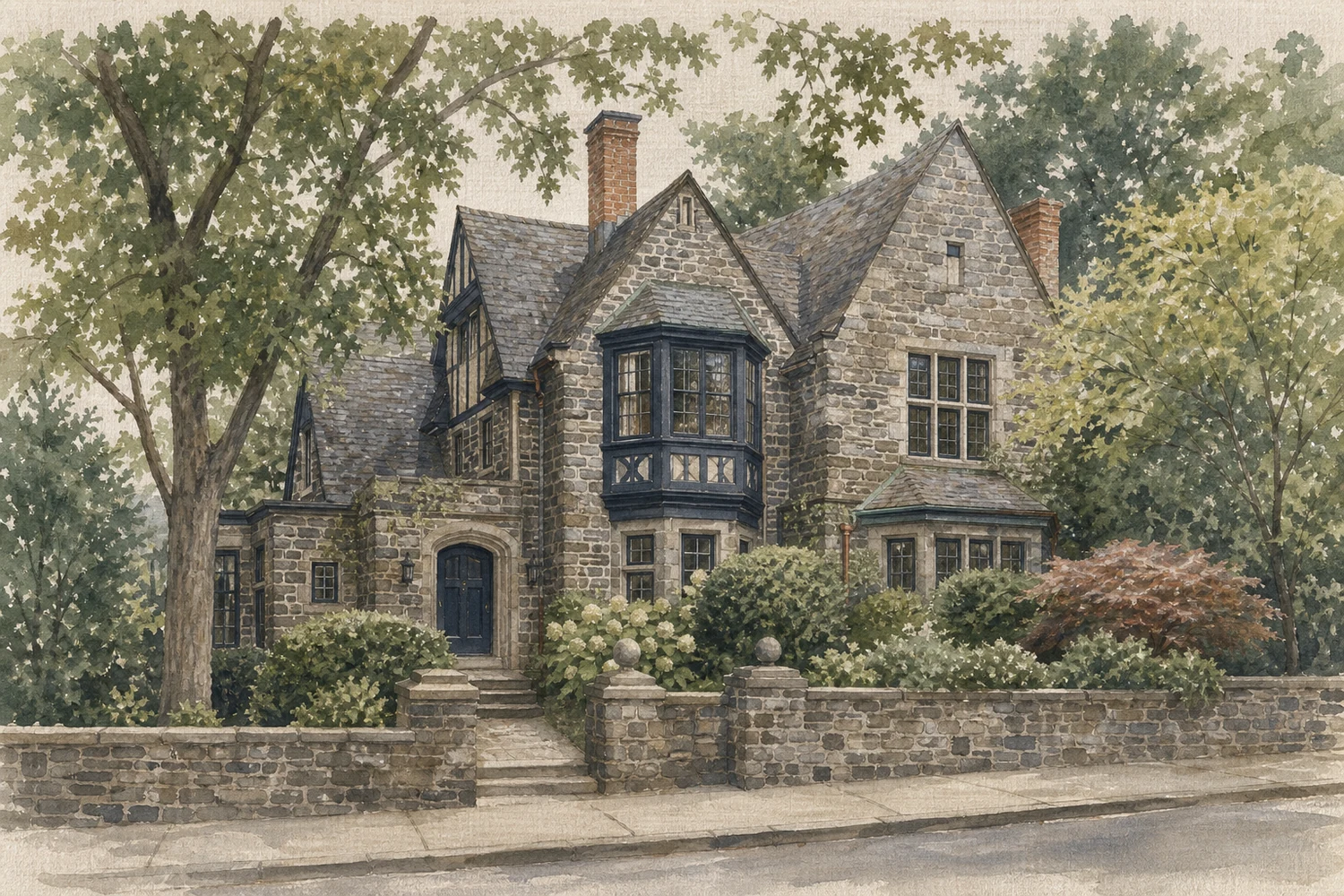
When you need trees and hills, this is where you go. Manayunk, Roxborough, Germantown, East Falls, Mount Airy, and Chestnut Hill sit like leafy villages tucked into city limits. You’ll hear cicadas in summer and see Fairmount Park’s trails spill right into backyards. It’s where families settle, where joggers outnumber cars on weekend mornings, and where rowhomes give way to twins and stone houses. It feels suburban, but SEPTA still gets you downtown in under half an hour if you plan it right.
6. Northeast Philadelphia
The Northeast is the city’s sprawl. Wide streets, driveways, lawns, and long blocks that feel more like Bucks County than Broad Street. Mayfair, Bustleton, Tacony, and Fox Chase offer space and parking galore. Here you’ll find the best pierogies and cheesesteaks locals actually eat, family-owned diners, and a loyalty that runs generations deep. It’s not walkable in the “grab a latte downstairs” sense, but it’s steady, practical, and surprisingly affordable.
These six zones aren’t official borders; they’re moods. Once you understand the moods, the map starts to make sense.
The six faces of Philadelphia
Not official borders. Moods — each with its own tempo, architecture, and small-talk style.
Center City & the squares
The square-mile pulseSkyscrapers sit beside 200-year-old rowhouses. Rittenhouse, Fitler Square, and Washington Square West are the main chapters. Safe, busy, and expensive — you trade square footage for walkable life.
South Philadelphia
The city's kitchenRowhome dense, neighbor-loud, and deeply local. Sunday sauce, East Passyunk's restaurant strip, block parties that appear out of nowhere when the weather turns. Parking is a battle sport; friendliness is a reflex.
The River Wards
North along the DelawareOld industrial bones turned creative. Fishtown, Northern Liberties, and Olde Kensington carry loft conversions, street art, and craft breweries — and a quiet stretch a few blocks the wrong direction.
West Philadelphia
Across the SchuylkillUniversity City anchors it with campuses and tech labs. Keep going west and it softens into Victorian porches, block parties, and community gardens. Spruce Hill, Cedar Park, and Garden Court have a rhythm all their own.
Northwest Philadelphia
Trees and hillsManayunk, Roxborough, Germantown, East Falls, Mount Airy, and Chestnut Hill sit like leafy villages tucked into city limits. It feels suburban, but SEPTA still gets you downtown in under half an hour if you plan it right.
Northeast Philadelphia
The city's sprawlWide streets, driveways, lawns, and long blocks. Mayfair, Bustleton, Tacony, and Fox Chase offer space and parking galore. Not walkable in the grab-a-latte-downstairs sense, but steady, practical, and surprisingly affordable.
Quick-Compare, Where Each Neighborhood Fits
Here’s where locals really differ from outsiders: we don’t rank neighborhoods by prestige. We sort them by what they give and what they ask in return.
The comparison table below lists each area’s walkability, nightlife, green space, transit access, car friendliness, typical one-bedroom rent, and local vibe. It’s not a hard chart; it’s a conversation starter, the way someone at a bar in East Passyunk might size up Fishtown over a Negroni.
| Neighborhood | Zone | Walkability | Nightlife | Green Space | Transit Access | Car Friendliness | Typical Rent (1BR) | Local Vibe |
|---|---|---|---|---|---|---|---|---|
| Rittenhouse Square | Center City | — | — | — | — | — | $2,000 – $2,800 | Polished city-core energy; café patios, white wine, and dog walks in heels |
| Washington Square West / Gayborhood | Center City | — | — | — | — | — | $1,700 – $2,400 | Vibrant, inclusive, night-til-late, zero parking sanity |
| East Passyunk | South Philly | — | — | — | — | — | $1,400 – $1,900 | Food-obsessed, neighborhood-first, families and bartenders coexisting |
| Fishtown | River Wards | — | — | — | — | — | $1,600 – $2,100 | Creative, loud, coffee in the morning and craft beer by 5 |
| Northern Liberties | River Wards | — | — | — | — | — | $1,700 – $2,200 | Converted warehouses, young professionals, dog parks everywhere |
| Point Breeze / Newbold | South Philly | — | — | — | — | — | $1,200 – $1,700 | Rapidly changing, mix of lifers and new arrivals, tight block energy |
| Manayunk | Northwest | — | — | — | — | — | $1,400 – $1,800 | College-meets-mature mix, hilly streets and river views |
| Mount Airy / Chestnut Hill | Northwest | — | — | — | — | — | $1,600 – $2,300 | Leafy, historic, bookstore culture, neighbors who wave |
| Germantown | Northwest | — | — | — | — | — | $1,200 – $1,600 | Architectural mix of old mansions and arts collectives |
| University City / Spruce Hill | West Philly | — | — | — | — | — | $1,500 – $2,200 | Student-driven but green, diverse, and always moving |
| Cedar Park / Garden Court | West Philly | — | — | — | — | — | $1,300 – $1,800 | Community-garden scene, porch life, art on fences |
| Mayfair / Bustleton | Northeast | — | — | — | — | — | $1,000 – $1,400 | Drive-anywhere ease, tight-knit families, low rent |
| Tacony / Fox Chase | Northeast | — | — | — | — | — | $1,000 – $1,300 | Quiet, working-class, green yards and little noise |
| Brewerytown / Fairmount | Lower North / Central | — | — | — | — | — | $1,500 – $2,000 | Museum mile adjacent, active young crowd |
(All rent ranges reflect early-2025 averages for one-bedroom apartments, based on local listings and reports. The 1–5 comparison scores are not shown while their source, area boundary and review date are documented.)
This chart isn’t meant to crown winners. It’s meant to help you see trade-offs clearly. You’ll notice every neighborhood gives up something: Fishtown buzzes but lacks green space; Mount Airy is tranquil but car-dependent. That balance between livability, culture, and convenience is what makes Philadelphia’s map so endlessly debatable.
At a glance
Where each neighborhood fits
Not a ranking. The body sorts by what a place gives and what it asks in return. Rent bands are early-2025 one-bedroom averages from local listings and reports.
Rittenhouse Square
Center City · $2,000–$2,800Polished city-core energy; café patios, white wine, and dog walks in heels.
Washington Square West
Center City · $1,700–$2,400Vibrant, inclusive, night-til-late, zero parking sanity.
East Passyunk
South Philly · $1,400–$1,900Food-obsessed, neighborhood-first, families and bartenders coexisting.
Fishtown
River Wards · $1,600–$2,100Creative, loud, coffee in the morning and craft beer by 5.
Cedar Park / Garden Court
West Philly · $1,300–$1,800Community-garden scene, porch life, art on fences.
Mount Airy / Chestnut Hill
Northwest · $1,600–$2,300Leafy, historic, bookstore culture, neighbors who wave. Tranquil but car-dependent.
Mayfair / Bustleton
Northeast · $1,000–$1,400Drive-anywhere ease, tight-knit families, low rent.
Center City & Surroundings
Center City is where Philadelphia performs its best impression of a major metropolis, glass towers brushing against colonial brick, office crowds flooding out at five, and trolley lines that hum below the sidewalks. It’s where the city’s pulse is loudest, where every kind of person collides in the space between Broad and the rivers.
Rittenhouse Square
If you want beauty you can’t fake, start here. Rittenhouse is the neighborhood that postcards and real estate agents both adore. Tree-lined streets, brownstones with flower boxes, and one of the most beloved parks in the country sitting right at its center. On any given Saturday, you’ll see yoga mats in the grass, violinists playing near the fountain, and golden retrievers chasing pigeons across the lawn. Rent is high, easily $2,000 and up for a one-bedroom, but the payoff is that you can walk to everything: Trader Joe’s, La Colombe, Schuylkill River Trail, and every cocktail bar that pretends to be lowkey but isn’t.
There’s a quiet prestige here that doesn’t shout; it’s the confidence of knowing you can get your dry cleaning and your espresso within one block.
Fitler Square
Just a ten-minute stroll southwest, Fitler is Rittenhouse’s introverted cousin. Quieter, greener, and more neighborly, it feels like the part of Center City where you actually exhale. Cobblestone side streets hide 19th-century rowhomes, and the park itself, smaller than Rittenhouse, but more personal, gathers strollers and dog walkers at sunset. You’ll see the same faces every week. On weekends, you can walk down to the Schuylkill Banks trail or the Sunday farmers market, then disappear back into your own block before Center City’s noise catches up to you. It’s the city’s version of privacy.
Washington Square West / Gayborhood
If Rittenhouse is brunch, Washington Square West is after-hours. The Gayborhood, bounded roughly by Broad, 10th, Walnut, and Pine, is one of the most inclusive and energetic corners of Philly. The bars are legendary, the restaurants are packed, and the sidewalks stay alive long after midnight. Parking is almost impossible, but you don’t need a car here; your entire social life can unfold within ten blocks.
Locals say this area “glows”. Not just because of the rainbow crosswalks, but because of the sense of belonging. You’ll find young professionals, creatives, and long-time residents sharing bar stools at Woody’s or chatting over brunch at Green Eggs Café. The neighborhood feels urban but human, a place where people still wave even when they’re in a hurry.
Logan Square & Callowhill
Heading north, the mood changes. Logan Square gives you museums, fountains, and a sense of grandeur. The Parkway’s cultural spine lined with institutions like the Art Museum and Franklin Institute. Callowhill, once industrial, is now lofts and music venues, where every building has that “former factory turned gallery” vibe. Rent sits around $1,800, but the payoff is space and ceiling height. At night, you hear the rumble of I-676, but also live music from Union Transfer echoing down Spring Garden. It’s not polished and that’s exactly why people love it.
Center City isn’t just where people live. It’s where Philly works, eats, and collides. It’s not cheap, but it gives you something rare in modern cities: the ability to live without compromise, just without square footage.
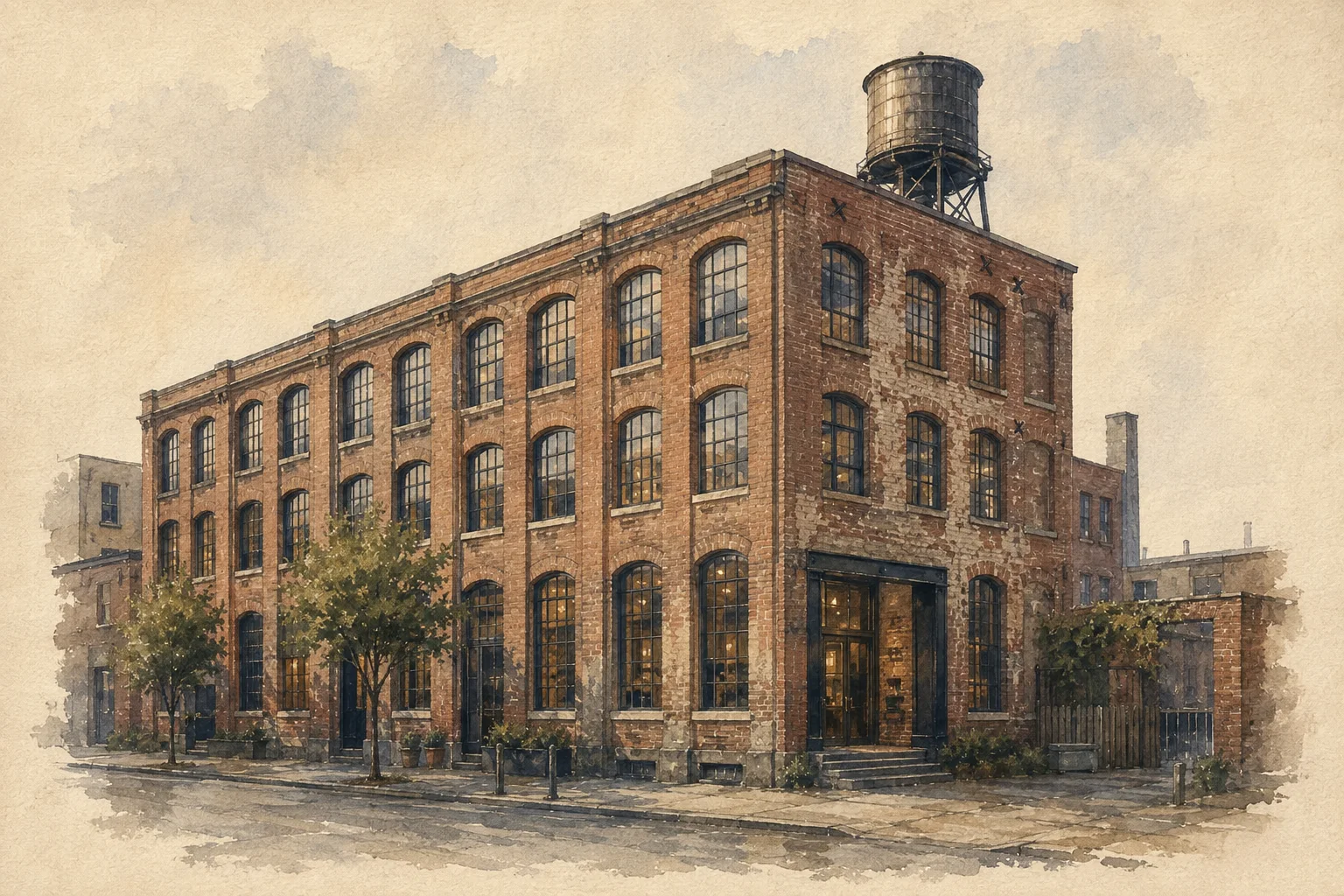
South Philadelphia
If Center City is polished and vertical, South Philly is horizontal. Lived-in, loud, and delicious. It’s where the city’s stories come from: rowhomes painted with murals, block parties that double as cookouts, and sidewalks that smell like garlic and fresh tomato sauce on Sundays. Down here, neighbors know your name, your parking habits, and your recycling schedule, and that’s exactly how they like it.
East Passyunk & Passyunk Square
This is where you go when you want to eat well and still feel like part of a community. East Passyunk’s restaurant strip rivals anything downtown. Think Le Virtù, Barcelona, and Rival Bros, all tucked between bakeries and barber shops that have been there for decades. You’ll see stroller-pushing parents and tattooed bartenders swapping stories outside Rival Bros at noon. It’s walkable, friendly, and surprisingly affordable if you look just a few blocks off the main drag.
The tradeoff? Parking. People here will warn you that owning a car is a “second job.” But once you find your rhythm, circling the block at the right hour, learning which corners are permit-only, it becomes part of the local game.
Newbold & Point Breeze
These two neighborhoods, sitting just below Washington Avenue, are where the city’s transition is most visible. Ten years ago, people called this “up-and-coming.” Now it’s simply here. You’ll find renovated rowhomes next to barber shops and taquerias, longtime residents next to newcomers planting succulents on their stoops. The nightlife is casual. Think corner bars with jukeboxes, not velvet ropes. Rent still hovers around $1,200-$1,700, but competition is fierce because everyone wants the “close to Center City without paying for Center City” deal.
Locals will tell you: it’s a neighborhood of porch conversations and slow trust. People nod when they pass each other. That’s the South Philly way.
Pennsport & Whitman
Go further southeast and you’ll hit Pennsport. Older, quieter, and more traditional. It’s close to the Delaware waterfront, where you’ll find big-box stores and sprawling views of the Walt Whitman Bridge. It’s not glamorous, but it’s real. And it’s one of the few pockets left where you can still find street parking on a Sunday afternoon. The homes are modest, the pride isn’t. Whitman, its neighbor, feels even more suburban, families grilling on driveways, neighbors swapping lawn tools over the fence.
Girard Estate
On the southwest side, Girard Estate stands out like a time capsule. Broad tree-lined streets, detached homes, and a quiet dignity that feels miles from Center City even though it’s barely 15 minutes away. It’s where you go when you’re done with nightlife and ready for block-wide Christmas lights. Rent is lower, ownership is high, and the parking gods are kinder here.
South Philly is where the city’s soul sits. It’s not trying to impress you, it’s trying to feed you. It’s where the accent thickens, the sense of humor sharpens, and every corner feels like it belongs to someone’s grandmother. The further south you go, the more the pace slows, but the warmth stays constant.
The River Wards
If Philadelphia has a place that constantly reinvents itself without losing its edge, it’s the River Wards. Stretching north from Old City along the Delaware, these were once the city’s industrial veins, factories, breweries, and shipyards. Now, they’re a patchwork of artists’ studios, new apartments, and blocks that smell like coffee in the morning and beer by night. The River Wards are where the city’s energy spills over, unpolished, self-assured, and proudly local.
Fishtown
Fishtown has gone from underdog to icon in less than a decade. The neighborhood’s name still nods to its working-class roots, but its present is lined with artisanal everything, cafés, beer gardens, galleries, and a new condo every few blocks. Frankford Avenue hums day and night: mornings start with ReAnimator Coffee or La Colombe, and by dusk, the air smells like wood-fired pizza and fresh hops.
People here talk about “the old Fishtown” and “the new Fishtown,” often in the same breath. You’ll still find rowhomes with Virgin Mary statues beside sleek townhouses with rooftop decks. Parking is tight, rents hover around $1,700–$2,100, but the payoff is a lifestyle where you can walk to every part of your day. From your workspace to your night out, without ever touching your car keys.
Northern Liberties
Before Fishtown was cool, NoLibs was already halfway there. Once a haven for artists priced out of Old City, it’s now more polished but still has its independent spirit. The Piazza at Schmidt’s anchors the area, with outdoor concerts, food festivals, and an endless carousel of brunch spots. It’s a neighborhood that loves its dogs, its patios, and its people-watching.
Locals joke that Northern Liberties feels like “Philly with training wheels”, easy access to Center City, cleaner sidewalks, and an intro to the city’s grit without the full dose. It’s perfect if you want to be near the action but sleep through the chaos. Rents start around $1,700, but a few blocks north in Olde Kensington, you can still find space and sanity for less.
Olde Kensington & Norris Square
Olde Kensington sits in the tension between old Philadelphia and new. Here, you’ll pass a taco stand next to a coworking space, or a row of murals facing half-renovated warehouses. It’s scrappy, alive, and filled with promise, though you need a sense of adventure to love it. Norris Square adds community and green space to that mix, with one of the most beautiful public parks in North Philly. Together, they’re where you’ll meet artists, young professionals, and families who wanted proximity to Fishtown without the price tag.
Brewerytown & Fairmount
Head a bit west, and the skyline shifts again. Brewerytown is one of those names that sells itself, a neighborhood born from old beer factories, now bubbling with life again. It’s colorful, still affordable, and increasingly walkable, especially near Girard Avenue. The area has a creative streak, but locals will tell you to stay aware of which side of certain streets you’re on; this is still a “block-by-block” part of Philly.
Fairmount, its older sibling, feels like the city’s living room, tree-shaded, museum-lined, and full of joggers and dog walkers. You’re close to the Art Museum, Kelly Drive, and Boathouse Row. Rent hits $1,800-$2,000 for a one-bedroom, but you’re paying for one of the city’s best balances: culture, calm, and convenience.
The River Wards are a study in contrasts, history and reinvention, noise and stillness, old bars and new galleries. They’re where Philly’s contradictions live side by side. And somehow, it works.
West Philadelphia
Cross the Schuylkill River and everything changes. The skyline softens, the air feels greener, and the houses suddenly have porches. West Philly has rhythm, part jazz, part activism, part everyday poetry. It’s a place where people plant sunflowers on sidewalks, hang “Black Lives Matter” flags year-round, and know their mail carrier by name.
University City
Anchored by the University of Pennsylvania and Drexel, University City hums with student energy and research money. You’ll see bikes everywhere, coffee shops filled with laptops, and food trucks lined up at every corner. Rent skews high around $1,800 and up, but the area is transit-rich, with trolley lines and the Market-Frankford El running right through it. It’s convenient, diverse, and always awake.
What surprises newcomers is how close everything feels: you can walk from campus life to tree-lined residential streets within minutes. It’s busy, yes, but in a way that feels safe and structured.
Spruce Hill & Garden Court
Just west of University City, these twin neighborhoods feel like the part of Philly that never rushes. The streets are lined with grand old Victorian homes, and there’s a quiet sense of pride in keeping them up. Porch life is sacred here. Neighbors chat over coffee, cats nap on railings, and kids bike in the street. The Lancaster Avenue corridor brings small restaurants and West African groceries, while Clark Park serves as the community’s heart, hosting a farmers market every Saturday that feels more like a block party.
Rent averages between $1,400 and $1,800, depending on how close you are to the trolley lines. Parking is easier than in Center City, but most residents walk, bike, or take the 34 trolley downtown.
Cedar Park
If West Philly has a soul, this is it. Cedar Park has the kind of diversity that makes a city feel alive: musicians, families, grad students, immigrants, all sharing the same blocks. You’ll find bookstores that double as event spaces, thrift stores beside vegan bakeries, and murals on nearly every wall. It’s inclusive without being performative. On warm nights, you’ll hear live music drifting from porch concerts or open windows.
The vibe is welcoming but independent. No one here cares what you drive or wear, as long as you recycle right and say hello. Rent runs from $1,300 to $1,700, and if you’re lucky, you’ll get a backyard.
Kingsessing & Southwest
Further south, West Philly starts to blur into Southwest. More industrial, less polished, but full of resilience. Kingsessing sits near Bartram’s Garden, one of the oldest botanical gardens in the country. It’s an area that’s changing quietly, with new homeowners mixing in among families who’ve been there for generations. You’ll find space here, both literal and personal, if you don’t mind being off the radar.
West Philly feels like the city’s conscience, creative, vocal, and unapologetically community-first. People care here about the parks, the schools, and the stories painted on their walls. It’s not perfect, but it’s one of the few places left where “neighbor” still means something.
Northwest Philadelphia
When Philadelphians talk about “getting some air,” this is where they go. The Northwest is where city life gives way to tree canopies, rolling hills, and stone houses that look like they’ve seen centuries of autumns. It’s technically still Philadelphia, but it doesn’t always feel like it. The SEPTA Regional Rail glides through here like a promise that you can have it both ways, city and suburb, noise and calm.
Manayunk
Manayunk is Philly’s riverfront village, with steep hills, old mill buildings, and a main street that parties every weekend. Main Street Manayunk is lined with bars, boutiques, bike shops, and brunch spots, and every spring it hosts the famous bike race that turns the hills into a spectator sport. The vibe is young, social, and slightly chaotic in a good way. It’s where people who aren’t ready for the suburbs go to pretend they already moved there.
Parking is a puzzle (especially on weekends), but you can walk everywhere once you’ve found a spot. Rent sits between $1,400 and $1,800 for a one-bedroom. The tradeoff for the energy is the terrain. Your legs will get strong fast.
Roxborough
Just uphill from Manayunk, Roxborough feels like the grown-up sibling who still loves a good neighborhood barbecue. Wide streets, driveways, and twin homes dominate here. You’ll find families, firefighters, teachers, people who’ve been here long enough to know everyone at the local diner by name. It’s one of those places where people still shovel each other’s sidewalks. Rent is affordable by Philly standards, and the parking gods are merciful.
Germantown
Few neighborhoods in the city hold history like Germantown. Founded in the late 1600s, it’s full of stone houses, leafy streets, and architectural surprises around every corner. You’ll find art galleries in repurposed churches and music studios in old carriage houses. The community is deeply proud and culturally rich, but it’s also in transition. Some blocks are being revived, others still struggle. Rent sits between $1,200 and $1,600, making it one of the most affordable corners of the Northwest.
Locals describe Germantown as “real Philly soul”, where the city’s layered history meets everyday resilience.
East Falls
Nestled between the Schuylkill River and Kelly Drive, East Falls is quiet, green, and deceptively close to Center City. It’s popular with people who want water views without leaving the city. You’ll find students from Jefferson University, medical staff from nearby hospitals, and families who fell in love with the old stone architecture. It’s peaceful but not dull, with neighborhood bars like Billy Murphy’s and Kelly Drive’s cycling path just minutes away. Parking’s manageable, and rents hover around $1,500–$1,900.
Mount Airy & Chestnut Hill
Mount Airy is what happens when diversity and greenery coexist beautifully. It’s known for its progressive community, independent bookstores, and an unpretentious charm that feels more small town than city. Chestnut Hill, just north, adds a dose of old-money elegance, cobblestone streets, boutique shops, and historic mansions hidden behind ivy walls. Together, they form the most picturesque stretch of Philadelphia.
You’ll pay more here, rents from $1,800 to $2,300, but you get peace, trees, and neighbors who care about the local farmer’s market as much as their block association meetings. SEPTA’s Chestnut Hill Line connects you to Center City in 25 minutes, making it one of the best commutes in town if you can afford the calm.
Northwest Philly is for people who want the idea of the suburbs without actually leaving the city. The kind of place where you can grill in your backyard and still catch a concert downtown the same night.
Northeast Philadelphia
Head northeast and the skyline disappears, replaced by wide boulevards, big-box stores, and houses that come with driveways and lawns. This is where the city stretches out, where the rowhomes widen and the accents thicken. The Northeast is massive, nearly a third of Philly’s land, and it feels more like a constellation of small towns than a single region.
Mayfair
Mayfair feels like the blueprint for Philly’s middle class: solid brick rowhomes, tidy yards, and flags on porches. Frankford Avenue cuts through as its main artery, lined with delis, bars, and bakeries that have been serving locals for generations. You’ll see more cars than bikes, and more families than transplants. It’s affordable (one-bedrooms around $1,100–$1,400) and stable, not trendy, not flashy, just dependable.
Bustleton
Bustleton is one of those neighborhoods where the sidewalks are quiet, the lawns are trimmed, and the coffee shop knows your order by heart. It’s heavily residential, with a mix of older couples and younger families who wanted space without the long commute. Crime rates are low, schools are decent, and there’s plenty of parking. A rare phrase in Philly. Rent ranges around $1,200-$1,500, and homes often come with basements and backyards.
Tacony
Tacony sits on the river, a blue-collar neighborhood that still feels like old Philadelphia. The Tacony-Palmyra Bridge looms in the distance, and the Delaware waterfront gives the area an unexpected calm. You’ll find historic homes, working-class families, and block associations that throw summer barbecues. It’s the kind of place that doesn’t make headlines but quietly keeps the city running.
Fox Chase
All the way up in the far northeast, Fox Chase feels almost suburban, with detached homes, train stations with free parking, and wooded trails that lead into Pennypack Park. You can hop on the Regional Rail and be in Center City in 30 minutes, but when you get home, you’re greeted by crickets instead of sirens. It’s peaceful, affordable, and perfect for those who love the city but need their space.
Northeast Philly doesn’t chase trends. It’s the part of the city where people stay, raise families, retire, and see generations live on the same block. If Center City is where the city hustles, the Northeast is where it rests.
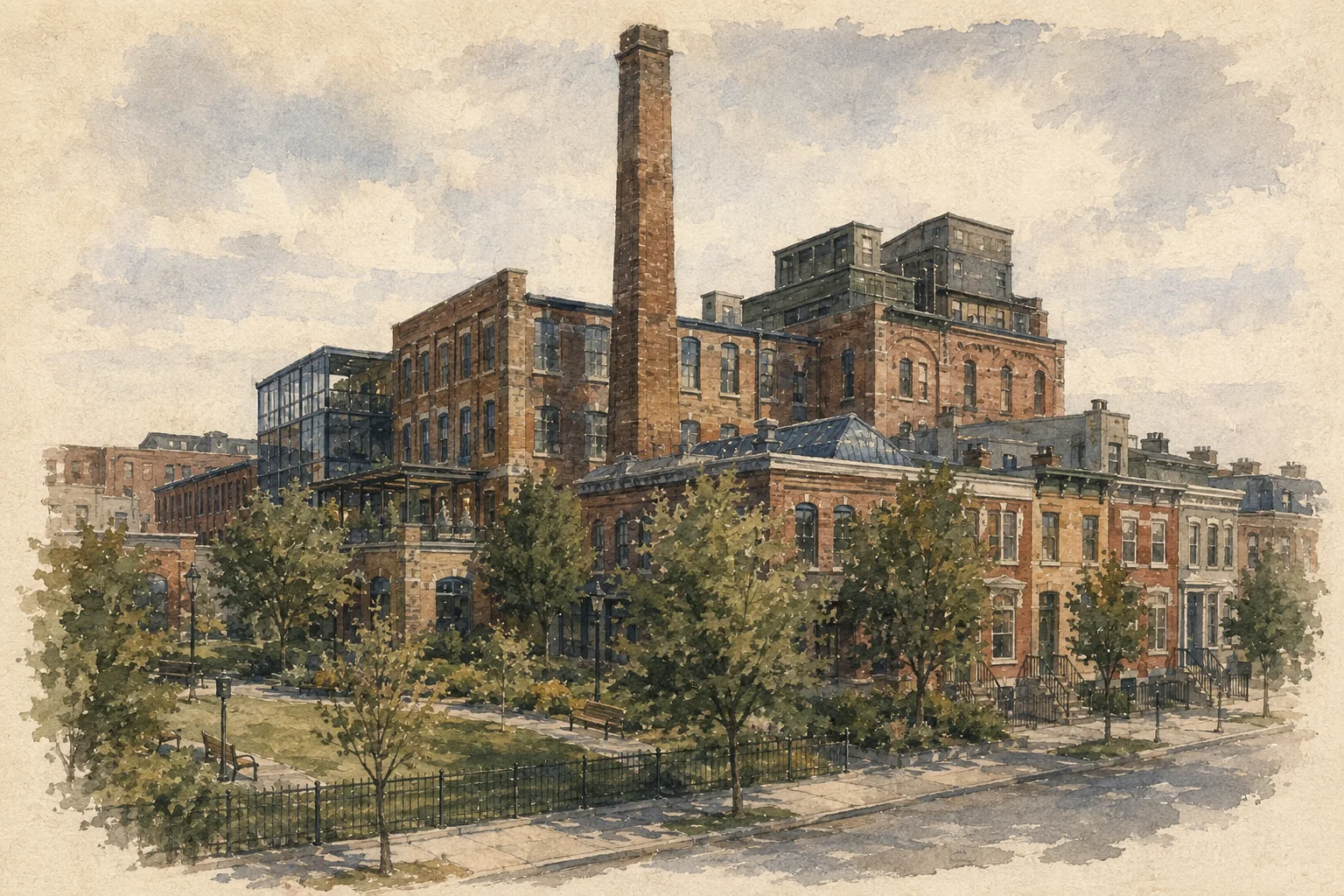
Using the Map, How to Explore Philadelphia Like a Local
The thing about Philadelphia is that you can’t understand it from a spreadsheet or a skyline photo. You have to walk it. The map is only your starting point.
Start with one neighborhood that caught your eye, maybe Fishtown for its noise, or Fitler Square for its calm, and walk it twice. Once in daylight, when the coffee shops hum and the sidewalks feel wide. Then again after dark, when porch lights flicker on, kids head home from the park, and the rhythm slows. That’s when you’ll feel whether the neighborhood fits you or not.
Don’t just follow the pins on the map. Follow your senses. Step into a corner deli, ask how long they’ve been there, and you’ll get more history in five minutes than any tour could give you. Listen to what languages you hear at the bus stop. Count how many people say hello. Those are better indicators than any rent chart.
If you have a car, bring it. But be ready to learn patience. If you don’t, ride SEPTA once or twice before you judge it. The system isn’t perfect, but it’s the city’s circulatory system; it’ll take you everywhere you need to go, just maybe not on your first try. Download a real-time app, carry cash for emergencies, and keep an open mind. You’ll quickly see that every neighborhood connects in its own way.
Use the map to compare, but use your feet to decide. Walk Broad Street from City Hall to Oregon Avenue and watch how the architecture, accents, and grocery stores change every ten blocks. Wander along Girard or Frankford Avenue on a Saturday morning, when the coffee lines wrap around the block. Take the Chestnut Hill train at sunset, and watch the skyline shrink into trees.
That’s when the map starts to mean something, when you stop seeing boundaries and start recognizing textures.
How to actually read the map
You can't understand this city from a spreadsheet or a skyline photo. The map is only a starting point.
- Pick one neighborhood and walk it twice — once in daylight, once after dark.
- Step into a corner deli and ask how long they have been there.
- Listen to what languages you hear at the bus stop, and count how many people say hello.
- Ride SEPTA once or twice before you judge it.
- Whether a block fits you. Compare on the map, decide with your feet.
- Prestige. Nothing here is ranked; it's sorted by what a place gives and asks.
- The trade-off every neighborhood makes — Fishtown buzzes but lacks green space.
- What a car costs you in patience. Find a spot before 4 p.m. on weekdays.
Finding Your Own Fit
Philadelphia doesn’t sell you perfection. It sells you personality. Every neighborhood, from the stoops of South Philly to the green sprawl of Mount Airy, asks for something different in return. Maybe it’s patience with parking, maybe it’s a few extra minutes on the train, maybe it’s learning to love noise that leaks through the walls. But what you get back, community, culture, and a sense of belonging that’s impossible to fake, is worth every compromise.
The map you just explored isn’t about ranking or real estate. It’s about rhythm, which corners buzz, which ones breathe. Somewhere between the cobblestones of Society Hill and the neon of Frankford Avenue, there’s a block that moves at your speed.
When you find it, you’ll know. You’ll start saying “down the shore” instead of “to the beach.” You’ll memorize which pizza places stay open past midnight. You’ll have opinions about SEPTA schedules and soft pretzels. That’s when you’ll realize you’re no longer reading the map. You’re living it.
Make it yours
Make one comparison sheet
A short list to turn what you read into your own next steps.
Saved checks stay on this device when browser storage is available. This is a personal planning list, not a property inspection or professional assessment.
Sources & next steps
Useful advice should
show its working.
These resources support the reader tools above and help you check details for your own address, date, or plans.
- SEPTA trip planner
Compare transit journeys using your actual stops, date, and departure time.
- City property and zoning lookup
Opens the City's address-based zoning and permit tools.
- Find a playground or recreation center
City facility listings provide locations and contacts for checking programs and access.
The worksheet compares your chosen addresses; it is not a definitive neighborhood-boundary map or ranking. School assignment, current rents, and personal safety require different evidence.
Keep exploring