A little orientation
Compare a Chestnut Hill day from your doorway
Choose the actual station
Use the journey planner's station and route rather than assuming all Chestnut Hill rail journeys are interchangeable.
Try an ordinary errand
Visit the shop you would use regularly and judge the full trip back to the home.
Check historic status
Find the relevant City process before planning changes to exterior windows, doors, or other historic details.
A closer look
Choose a Chestnut Hill test
Pick the question that would most affect your daily routine or home decision.
Compare stations from one address
Enter your prospective Chestnut Hill address and regular destination into SEPTA's planner. Compare the specific stations and services it returns, including the walk and journey home; record those names so an attractive station building does not stand in for a workable commute.
A useful questionWhich station and service suit my actual destination?
Source & next step ↗Check the errand with the return included
Choose a current Germantown Avenue shop or appointment destination and confirm the operator's details. Use SEPTA's planner to compare getting there and returning with bags, then try the walking sections during a visit before deciding the routine fits.
A useful questionHow would I manage this errand on an ordinary weekday?
Source & next step ↗Find the right repair question
If a Chestnut Hill property has older exterior details you want to alter, read the City's historic-property guidance and establish its designation. Ask which review applies to your proposed work before budgeting around a replacement suggested by a listing or photograph.
A useful questionWhat should I establish before replacing this exterior detail?
Source & next step ↗Chestnut Hill Philadelphia: The City’s Quiet, Green Escape
Chestnut Hill runs from the massive Wissahickon Stone mansions that local architects like Louis Kahn designed to the more modest twins and newer condos near the train stations. It isn’t trying to be Fishtown or Rittenhouse. It’s not trying to be hip or happening. It’s a deliberate escape—a place where you trade urban energy for tree-lined streets and hiking trails, where you get a
Chestnut Hill at a Glance
Walk Score: 84/100
Transit Score: 72/100
Median Home Price: $750,000-$1.46M
Median Rent (1BR): $1,575-$2,050/mo
Distance from Center City: 10 miles (20-30 min by train)
ZIP Codes: 19118
Character: Historic “Garden District,” wealthy residential, urban village feel
Chestnut Hill at a glance
The figures the legacy guide puts on the neighborhood.
What Makes Chestnut Hill Different
This isn’t Fishtown with its dive bars and warehouse conversions. This isn’t even Mount Airy with its progressive politics and diversity. Chestnut Hill is Philadelphia’s “old money” neighborhood—the place where wealthy families have lived for generations, where historic preservation matters more than trendy development, and where the highest point in the city meets some of its most expensive real estate.
Founded in the late 1600s, Chestnut Hill became what it is today largely thanks to Henry Howard Houston and his son-in-law Dr. George Woodward, who built over 400 homes in the area starting in 1909. Their vision was actually progressive for the time—Woodward wanted to build affordable housing for working families. Instead, the wealthy snapped up everything, and Chestnut Hill’s reputation as a blueblood enclave was cemented.
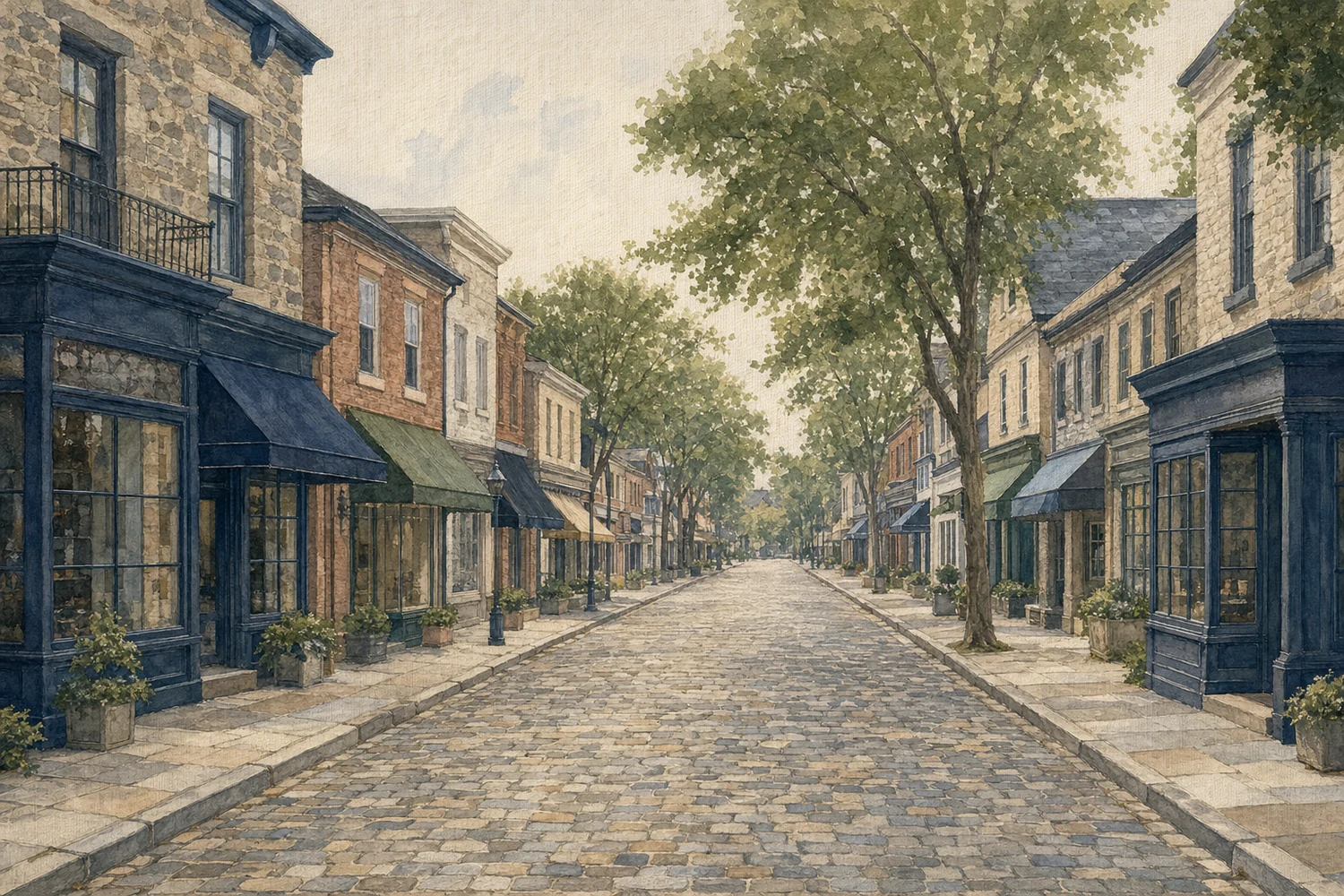
The neighborhood sits at the northwestern edge of Philadelphia, bounded roughly by Northwestern Avenue to the south, Cresheim Valley Drive cutting through the middle, and extending north past Bethlehem Pike. ZIP code 19118 is your address here. The commercial heart is Germantown Avenue—a cobblestoned main street that runs north-south through the entire neighborhood.
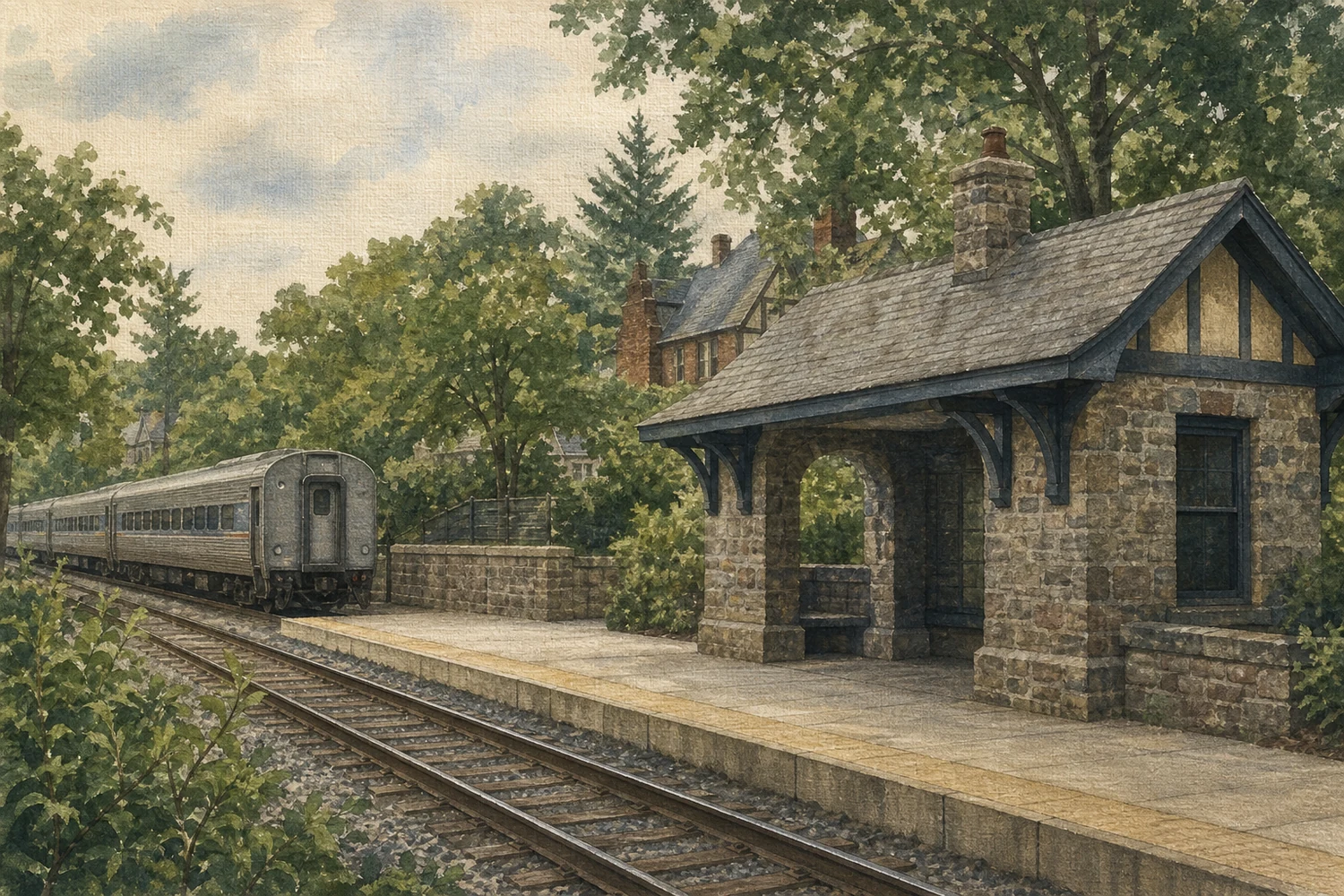
You’ve got two SEPTA Regional Rail lines here: Chestnut Hill East and Chestnut Hill West, with multiple stations serving different parts of the neighborhood. The 23 bus also runs down Germantown Avenue, though most residents will tell you the train is the better option. You’re about 20-30 minutes from Center City by rail—close enough to commute, far enough to feel removed.
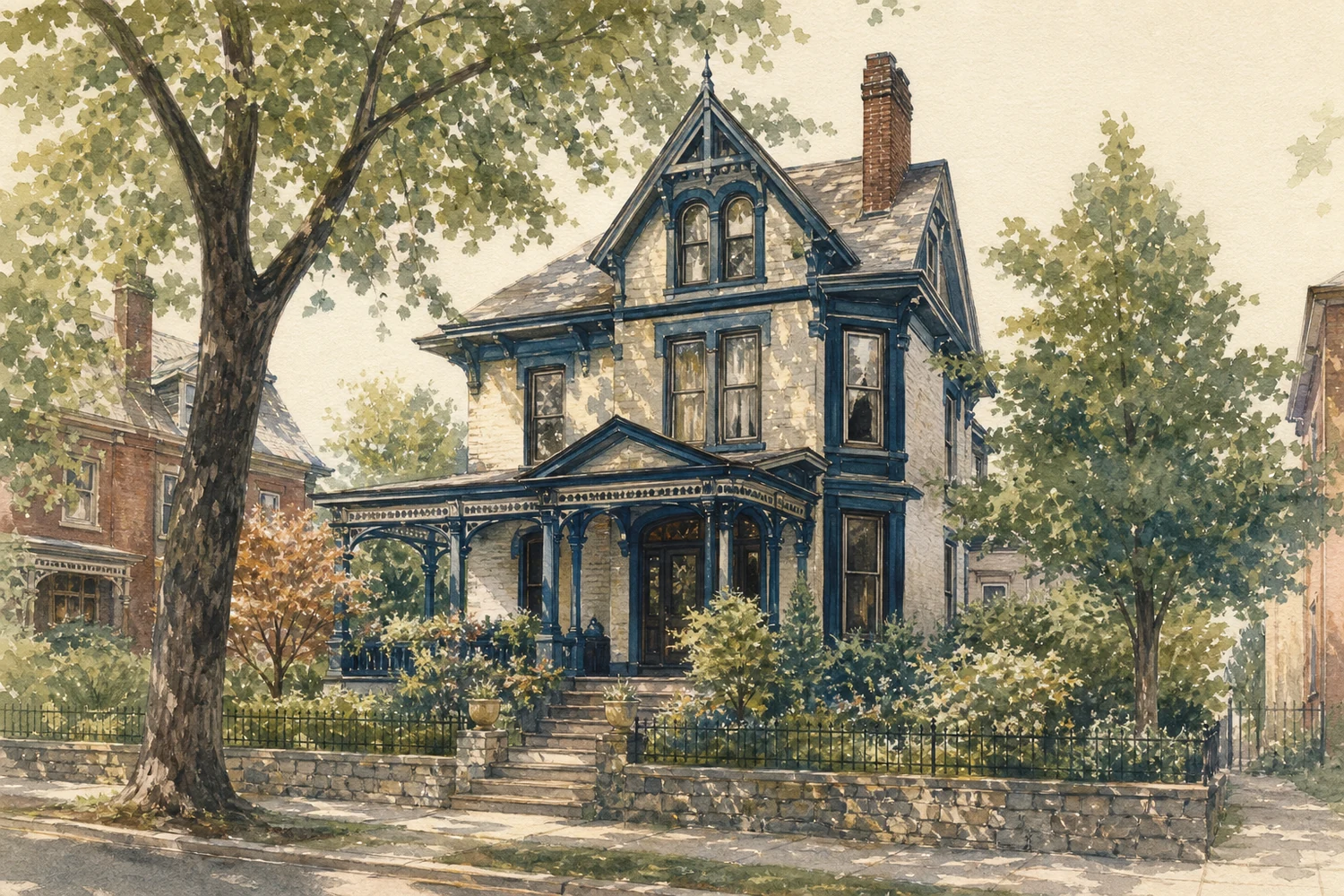
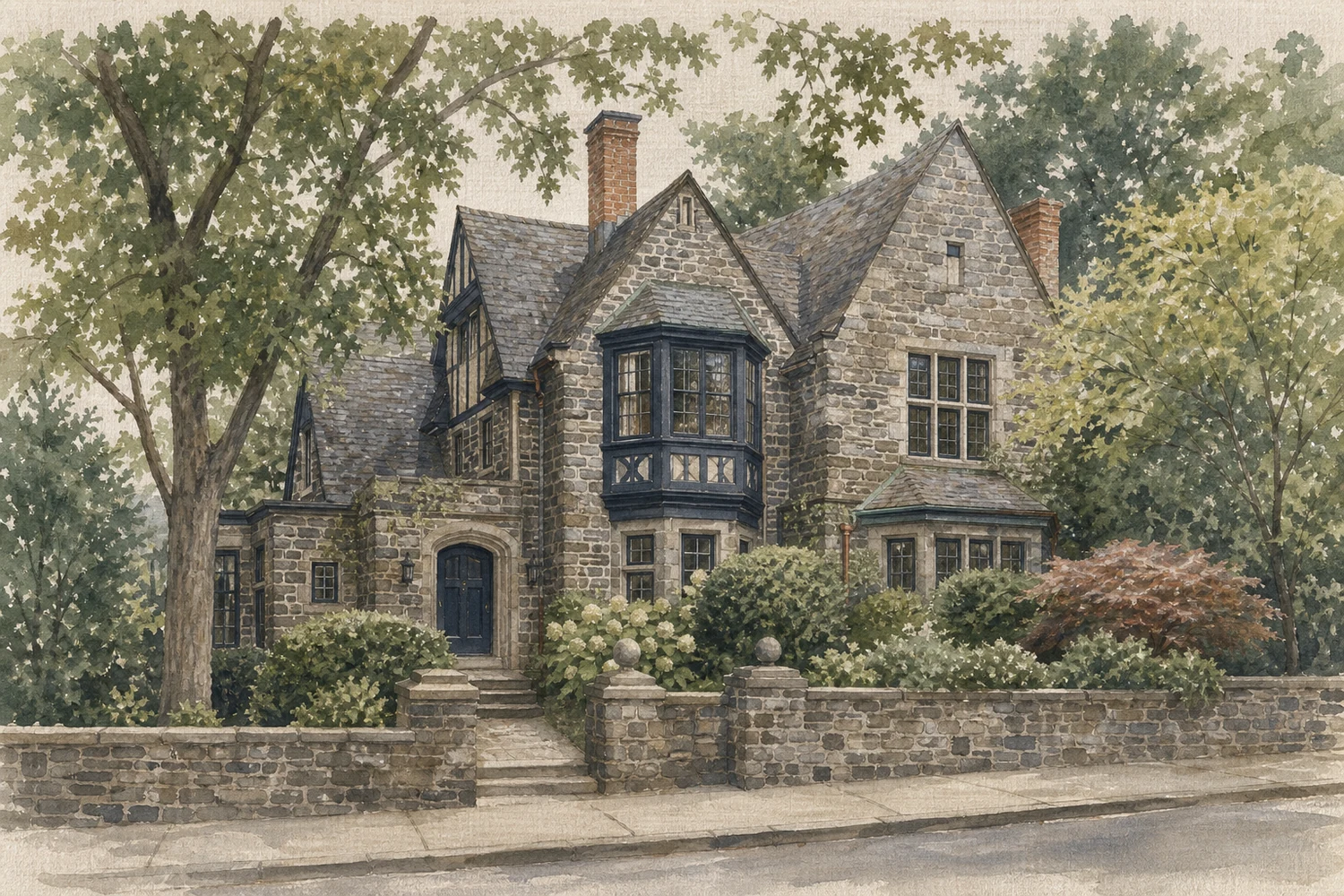
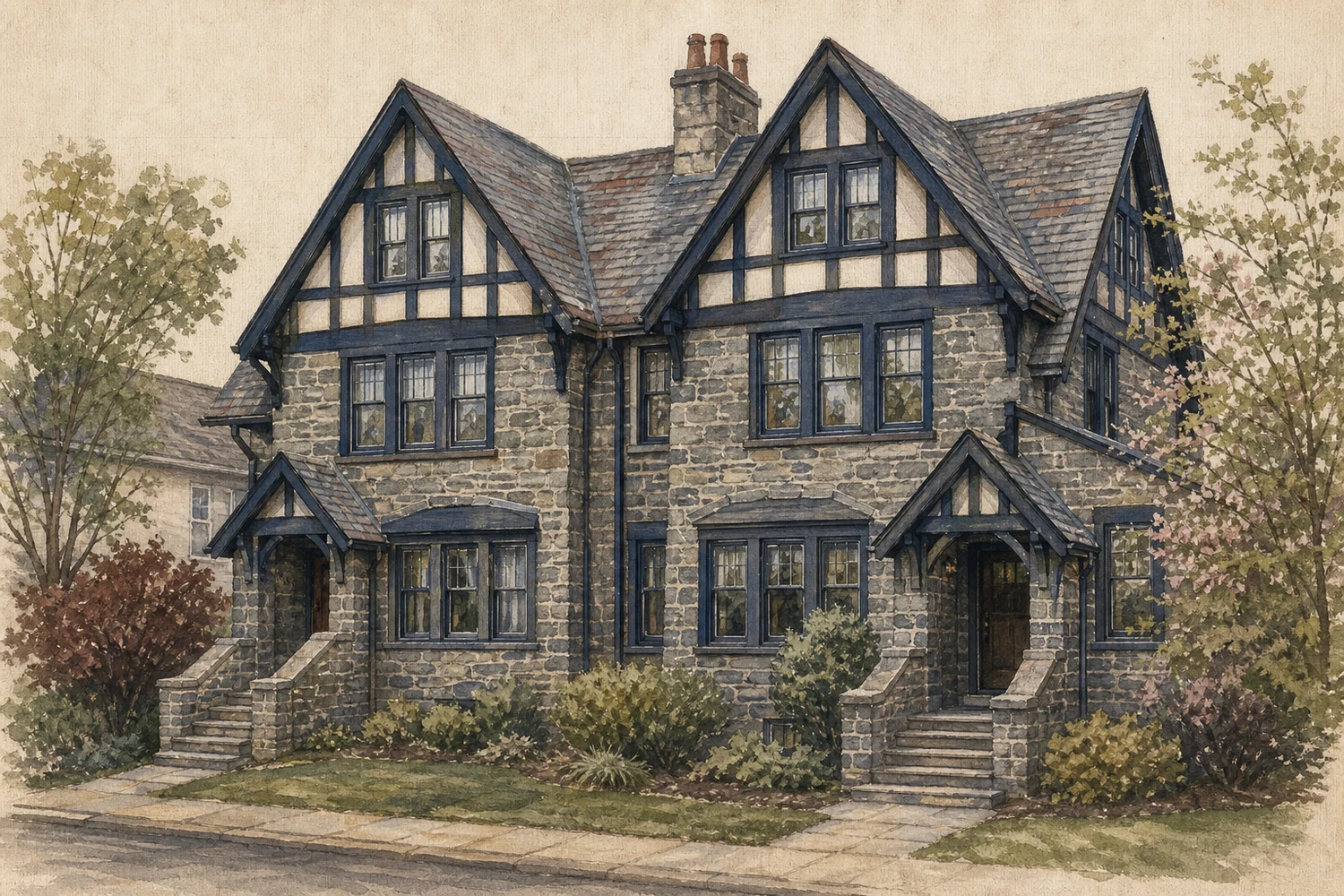
What defines Chestnut Hill? It’s the only Philadelphia neighborhood that genuinely feels like a separate village. The tree canopy is thick, the housing stock is stunning (think Tudor mansions, stone estates, Victorian twins), and the Wissahickon Valley Park wraps around the western edge, giving you thousands of acres of forest and trails. People here aren’t just living in Philadelphia—they’re living in Chestnut Hill.
Where Chestnut Hill sits
- Germantown Avenue
- Wissahickon Valley Park
- Chestnut Hill East
- Morris Arboretum
Schematic · not to scale
Germantown Avenue: The Main Street
The commercial strip on Germantown Avenue runs for about two miles through Chestnut Hill, but the heart of it is roughly between Evergreen Avenue and Bethlehem Pike. This is where you’ll find the boutique shops, cafes, and restaurants that give the neighborhood its walkable village character.
What you’ll find: Local businesses dominate. Think Occasionette (women’s clothing), Kilian Hardware (been here since 1895), Night Kitchen Bakery, multiple antique shops, and newer spots like Adelie Coffee. There’s a Starbucks, a few banks, but notably no chain restaurants beyond an Iron Hill Brewery and a heavily-restricted McDonald’s that the community fought tooth and nail against.
Parking situation: Compared to Center City, this is a breeze. There are metered lots ($3/hour, which tripled from $1 in 2023 and caused major local outrage), but if you’re willing to walk a block or two off Germantown Ave, you can usually find free street parking. Weekends get busier, especially during the Saturday farmers market.
Best times to visit: Weekday mornings are quiet and pleasant. Saturday mornings have the farmers market vibe. Weekend afternoons can get crowded with shoppers from the suburbs and nearby neighborhoods. Shops tend to close early—5 or 6pm—so this isn’t a late-night destination.
How locals use it: This is the living room of Chestnut Hill. People walk their dogs down the Avenue, grab coffee, run into neighbors. There’s a strong “Keep It On The Hill” mentality—residents genuinely try to shop local rather than heading to big box stores. It’s earnest in a way that can feel either charming or insular, depending on your perspective.
Where to Actually Eat and Drink
Chestnut Hill’s dining scene is solid but not spectacular. You’re not coming here for cutting-edge cuisine or late-night ragers. You’re coming for reliable neighborhood spots that have been around for decades.
McNally’s Tavern (8634 Germantown Ave)
This is the legendary spot—been here since the 1920s. Everyone will tell you to get the Schmitter (cheesesteak with salami, fried onions, tomato, special sauce on a kaiser roll), but locals know the Tobias is better—it’s a Schmitter plus fried pepperoni. The wings are excellent, the soups are homemade, and the chocolate cake has a subtle coffee note. Cash only at the bar. $$. Parking in back lot. Can get packed on weekends. This is where three generations of families go, where retirees have their Monday happy hour spot.
Market at the Fareway (8229 Germantown Ave)
The Chestnut Hill Hotel’s courtyard market has multiple food vendors—Korean BBQ, pizza from Chestnut Hill Brewing Company, Saigon Noodle Bar for banh mi. Think mini Reading Terminal. Outdoor seating in nice weather. Good for when your group can’t agree on one thing. $. Parking can be tight.
Adelie Coffee (6610 Germantown Ave)
Best coffee in the neighborhood, possibly the city. They get bagels from New York daily. The horseradish bacon cream cheese is a revelation. Small space, gets crowded. $. Street parking.
Bredenbeck’s Bakery (8126 Germantown Ave)
Since 1889. The cinnamon buns, the cakes, the butter pecan ice cream. This is where you go for special occasions or when you need to bring something to a party. The ice cream side used to be seasonal but is now open year-round. $.
Iron Hill Brewery (8400 Germantown Ave)
It’s a chain (about 10 locations regionally), but it’s consistently packed, which tells you something. They brew their own beer on premise, the food is upscale pub fare. It has that Cheesecake Factory vibe—you know what you’re getting. $$. Parking lot.
Reality check on dining: The food here is good, not great. People drive elsewhere for special occasions. The Indian options are mediocre. There’s no standout Japanese, Mexican, or Asian food. What you get are reliable neighborhood places that have survived because they serve their purpose. If you want a food destination, head to East Passyunk, Fishtown, or Center City. If you want a nice meal without leaving the neighborhood, you’ll be fine.
Where to actually eat and drink
Five Germantown Avenue spots the legacy guide names, with its own notes.
McNally's Tavern
$$The legendary spot. Everyone tells you to order the Schmitter, but locals know the Tobias is better. Cash only at the bar, and it can get packed on weekends.
Best for · Three generations of families
Adelie Coffee
$Best coffee in the neighborhood, possibly the city. Bagels come from New York daily. Small space, gets crowded.
Best for · Morning coffee
Bredenbeck's Bakery
$The cinnamon buns, the cakes, the butter pecan ice cream. The ice cream side used to be seasonal but is now open year-round.
Best for · Special occasions
Market at the Fareway
The Chestnut Hill Hotel's courtyard market runs multiple food vendors — Korean BBQ, pizza, banh mi. Think mini Reading Terminal, with outdoor seating in nice weather.
Best for · When the group can't agree
Iron Hill Brewery
$$A regional chain, but consistently packed. They brew their own beer on premise and the food is upscale pub fare.
Best for · A known quantity
Parks & Green Space
This is Chestnut Hill’s crown jewel category. The access to nature here is unmatched in Philadelphia.
Wissahickon Valley Park / Forbidden Drive
Nearly every person who talks about Chestnut Hill mentions the Wissahickon. This is thousands of acres of forest, with Forbidden Drive—a gravel path along Wissahickon Creek—being the main attraction. You can hike, bike, horseback ride. The most accessible entry point from Chestnut Hill is Northwestern Avenue near Chestnut Hill College. Valley Green Inn sits halfway down the trail—historic roadhouse where you can stop for a drink or snack. Fall foliage here is genuinely spectacular.
Pro tip from locals: Go Tuesday-Thursday mornings or early evenings (5-7pm) to avoid weekend crowds. The first four miles heading south are the easiest terrain. After that it gets steeper and rockier.
Morris Arboretum (100 E Northwestern Ave)
92 acres of gardens, sculptures, seasonal blooms, over 10,000 trees and shrubs. The “Out on a Limb” canopy walk puts you 50 feet up in the trees. The Garden Railway is a hit with kids. The Fernery is the only free-standing Victorian fernery in North America. This is a major destination, not just a neighborhood park. Admission charged. Parking on site.
Pastorius Park (Cresheim Valley Dr & E Gravers Ln)
Dog-walker central. Ponds, waterways, magnolia trees, open space. The community does outdoor movie nights here in summer. Known as a good place to meet neighbors if you have a dog.
Shopping & Cultural Spots
Beyond the food and parks, Germantown Avenue has:
Chestnut Hill Farmers Market (Mermaid Ln, Saturdays year-round) — You start seeing the same faces week after week. Good produce, local vendors. Community gathering spot.
Multiverse Comics — Small comic shop, hosts author readings and events. Very friendly staff.
Stagecrafters Theater — Century-old intimate venue for local theater productions.
Woodmere Art Museum — 19th-century stone building with art by prominent Philadelphians, rotating exhibitions, jazz nights, film screenings.
James Turrell Skyspace (Chestnut Hill Friends Meeting) — Permanent light installation. Watch sunset through a roof opening while colored lights project on the ceiling. Reservations required. Surprisingly cool.
Living Here: The Real Story
We clean everything from 3-bedroom twins to sprawling 6-bedroom estates in Chestnut Hill. Housing here spans from around $650K for smaller properties to well over $2 million for the mansions. Rentals for a 1-bedroom run $1,575-$2,050/month—not Center City prices, but not cheap either.
The Good:
- Safety is exceptional. People walk around at night.
- The tree canopy and green space are unmatched. You’re surrounded by nature while still being in the city.
- Architecture is stunning. The housing stock here is beautiful—historic estates, stone mansions, well-maintained twins.
- Walkable village feel. You can walk to coffee, shops, restaurants, the farmers market without a car.
- Two train lines to Center City. The commute is genuinely easy if you work downtown.
- Strong sense of community. People know their neighbors, shop local, participate in events.
- Excellent private schools nearby. Chestnut Hill College, Springside Chestnut Hill Academy, Germantown Academy, Penn Charter—if you can afford private school, options abound.
The Challenges:
- It’s expensive, and housing moves fast. Homes sell in 15-24 days on average. The barrier to entry is high.
- Public schools are not great. Elementary schools like Jenks and Houston are okay, but by high school you’ll need magnet schools (Central, Masterman) or private school.
- It feels isolated from the rest of the city. You’re 10 miles from Center City. Weekend train service is sparse (every 90 minutes). The 23 bus takes over an hour and isn’t pleasant.
- Limited dining and nightlife variety. If you want great Asian food, nightlife, or food destinations, you’re driving elsewhere.
- Parking tripled recently. The $1/hour lots jumped to $3/hour in 2023, causing resident and worker outrage. It’s still better than Center City, but the increase stung.
- NIMBY tendencies are real. The McDonald’s fight (community forced heavy restrictions on signage, hours, no drive-thru) is legendary. Development faces serious opposition. The neighborhood can feel resistant to change.
- Lack of diversity. Chestnut Hill is predominantly white and wealthy. It’s notably less diverse than neighboring Mount Airy.
- You’ll pay the city wage tax (3.735%, effective July 1, 2026). You’re in Philadelphia, so you pay Philadelphia taxes, even though it feels like the suburbs.
Price reality: Chestnut Hill is one of the most expensive neighborhoods in Philadelphia. Prices increased 35% year-over-year recently. If you’re coming from San Francisco, New York, or LA, you’ll think it’s a bargain. If you’re coming from another Philadelphia neighborhood, you’ll feel the sticker shock.
Renter info: Most rentals are apartments in smaller buildings or carriage houses behind larger estates. You’re looking at $1,575-$2,050 for a 1-bedroom, more for 2-bedrooms. Some properties are managed by the same family companies that have owned them for generations (Woodward legacy), so rents can be somewhat reasonable given the neighborhood’s wealth.
Who should live here:
- Families with kids who can afford private school
- Professionals who work downtown and want a train commute
- Retirees or older adults wanting quiet, safety, and green space
- People who love hiking, nature, and being outdoors
- Anyone willing to pay a premium for village charm in the city
- Dog owners who want easy park access
Who shouldn’t:
- Young singles looking for nightlife and dating scene
- Anyone on a tight budget
- People who want ethnic food diversity and cutting-edge dining
- Those who want to feel immersed in urban energy
- Anyone who needs frequent late-night access to other parts of the city (trains stop early, buses are slow)
The good and the challenges
Both columns are the legacy guide's own headings, kept in its words.
- Safety is exceptional — people walk around at night
- The tree canopy and green space are unmatched
- Walkable village feel: coffee, shops, the farmers market without a car
- Two train lines to Center City, so the downtown commute is easy
- Expensive, and housing moves fast — homes sell in 15-24 days on average
- Feels isolated: 10 miles out, with weekend trains every 90 minutes
- Limited dining and nightlife variety
- Metered lots jumped from $1/hour to $3/hour in 2023
Getting Around
Walking: Walk Score of 84/100 means you can handle most errands on foot within the neighborhood itself. Germantown Avenue is the spine. Most residential streets are quiet, tree-lined, safe to walk day or night. Center City is 10 miles away, so you’re not walking there.
SEPTA:
- Chestnut Hill East Line: Multiple stops (St. Martin’s, Highland, Chestnut Hill East). 40 minutes to Center City. Better frequency than West line.
- Chestnut Hill West Line: Multiple stops (Chestnut Hill West, Gravers, Wyndmoor). 39 minutes to Suburban Station. Note: This line faced potential elimination in 2026 due to SEPTA budget cuts, though service was temporarily saved.
- Route 23 Bus: Runs down Germantown Avenue but takes over an hour to Center City and can get packed. Most residents prefer the train.
Driving: You’ll want a car here. Lincoln Drive connects you to Kelly Drive or I-76 (though 76 is a nightmare). The drive to Center City is 20-25 minutes without traffic, longer during rush hour. Parking at home is generally easy—many houses have garages or driveways, street parking is available. Winter driving on Lincoln Drive can be challenging when it ices over.
Biking: Some bike infrastructure, access to circuit trails. The Wissahickon has trails for mountain biking. It’s not a huge bike culture neighborhood compared to Fishtown or Fairmount, but you can get around on two wheels.
Events Worth Planning Around
Home + Garden Festival (May) — Blocks of local artists, vendors, live entertainment, food trucks on Germantown Avenue.
Fall for the Arts Festival (October) — Similar setup, celebrates fall and local art scene.
Stag + Doe Holiday Markets (Every Wednesday in December) — Holiday shopping and whimsy on the Avenue.
Pastorius Park Summer Concerts — Free outdoor music series.
Chestnut Hill Farmers Market (Every Saturday year-round) — Not a one-time event, but worth planning your Saturday around.
If you’re looking for huge festivals, you’ll head to other neighborhoods. Chestnut Hill keeps it low-key and local.
Events worth planning around
Home + Garden Festival
Blocks of local artists, vendors, live entertainment and food trucks on Germantown Avenue.
Fall for the Arts Festival
Similar setup to the spring festival, celebrating fall and the local art scene.
Stag + Doe Holiday Markets
Holiday shopping and whimsy on the Avenue.
Pastorius Park Concerts
A free outdoor music series in the park.
Chestnut Hill Farmers Market
Not a one-time event, but worth planning your Saturday around.
The Quiet Luxury Reality
Let’s address the elephant in the room: Chestnut Hill has a reputation. Old money. NIMBY. Exclusive. And there’s truth to it.
The McDonald’s fight in the early 2000s is legendary—when the chain tried to open on Germantown Avenue, the community association fought it so hard that McDonald’s ended up with restrictions on signage, limited hours, no drive-thru, and different exterior design. The message was clear: you can come here, but you’ll play by our rules.
More recently, during the 2023 sanitation workers strike, Chestnut Hill was one of the few neighborhoods that got their “Parker Pile” (trash drop-off site) removed almost immediately after residents complained. Other neighborhoods had trash piling up for weeks.
There’s a strong preservation mindset here—which means beautiful architecture is protected, but it also means resistance to new development, affordable housing, and change. The neighborhood skews older, whiter, and wealthier than most of Philadelphia. You won’t hear “diversity” mentioned as a selling point the way you do in Mount Airy.
Does that mean you’ll feel unwelcome if you don’t fit the traditional mold? Not necessarily. But it does mean the culture here leans conservative (not politically necessarily, but culturally—things move slowly, tradition matters, outsiders need to earn their place).
Honest Safety Assessment
Chestnut Hill is one of the safest neighborhoods in Philadelphia. Violent crime is rare. Property crime happens occasionally (package theft, car break-ins) but at rates far below city average.
Generally safer: Pretty much the entire neighborhood. The further north and west you go (closer to the Wissahickon), the more residential and quiet it gets.
Day vs. night: No significant difference. People walk dogs at night, jog in the morning, feel comfortable at all hours.
Reality check: If you’re used to Center City, South Philly, or Fishtown, Chestnut Hill will feel almost suburban in its safety. That’s the trade-off—you lose urban grit and gain peace of mind.
Nearby Neighborhoods Worth Exploring
→ Mount Airy (1 mile south, 5 min drive) — More diverse, more laid-back, slightly more affordable. Earth Bread + Brewery, McMenamins, good food scene.
→ Germantown (2 miles south, 10 min drive) — Historic neighborhood with beautiful architecture, gentrifying but still affordable, more diverse.
→ Manayunk (3 miles southeast, 10 min drive) — Main Street bar and restaurant scene, younger crowd, canal trails.
→ East Falls (3 miles southeast, 10 min drive) — Residential, close to Wissahickon, more affordable than Chestnut Hill.
Make it yours
Your Chestnut Hill viewing notes
A short list to turn what you read into your own next steps.
Saved checks stay on this device when browser storage is available. This is a personal planning list, not a property inspection or professional assessment.
Sources & next steps
Useful advice should
show its working.
These resources support the reader tools above and help you check details for your own address, date, or plans.
- SEPTA trip planner
Compare transit journeys using your actual stops, date, and departure time.
- Work on a historic property
City guidance identifies the review process for work affecting a historic property.
The comparison does not supply a fixed rail journey time, housing price band, or safety ranking. Historic-property guidance is a starting point for a specific proposed change.
Keep exploring